The Invisible Moral Compass: Navigating Leadership in Complex Times
Jan 16, 2026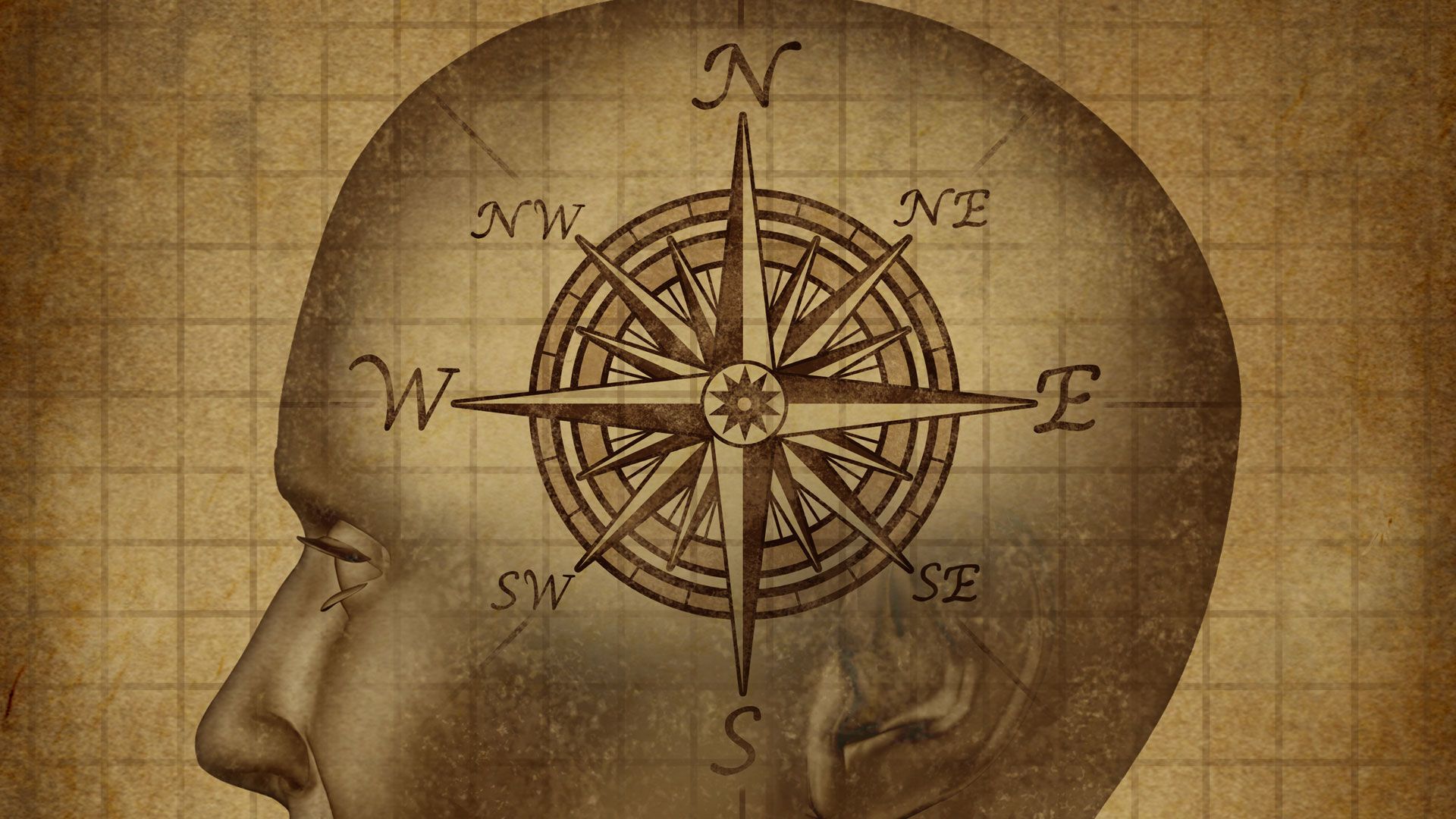
The Invisible Moral Compass: Navigating Leadership in Complex Times
- The Compass:
Every one of us carries an invisible compass. A moral and ethical radar that constantly interprets the world around us. It shapes how we make decisions, how we respond under pressure, and how we influence others. Yet this radar is not something we consciously choose. It is forged.
From our earliest days, ecosystems shape us. Networks from areas such as family, school, sport, culture, religion, and peers. These networks impress themselves upon us, setting the benchmark values for what feels right, fair, and acceptable. Later, as we grow, politics, workplaces, and global events expand this ecosystem further. These experiences leave imprints that, over time, harden these core values, and some become the deep, non-negotiable standards we carry into every conversation and decision.
Values are our radar. They don’t bend to context or take a back seat within us. They sit beneath everything else, offering a steady moral orientation. From these values come beliefs. Our real-time interpretations about things such as fairness, high-performance, or leadership. Together, values and beliefs shape how we act in the moment. They are the filters through which we assess whether to align, resist, compromise, or walk away.
- The New Pressures: AI, EI, and LI
Today, three forces are reshaping the moral and ethical landscape every leader must navigate:
Artificial Intelligence (AI) – Moving faster than governance or ethics can keep up, AI poses profound dilemmas. It is a tool of extraordinary power, but it is amoral. It has no empathy, no moral radar, no values base. As decisions about automation, privacy, and bias accelerate, leaders are being tested in ways humanity has never faced before. Without a compass, AI becomes dangerous.
Emotional Intelligence (EI) – Too often misunderstood as “soft skills,” EI is much more demanding. Yes, empathy matters, but true EI is the disciplined regulation of self under pressure. It is the ability to read tension, set boundaries, withstand pressure, and protect core values when the stakes are high. In politically charged or culturally complex environments, EI enables leaders to sit within conflict and listen without reacting impulsively — but also to hold firm when needed. Without values, EI risks becoming shallow performance.
Leadership Intelligence (LI) – This is where the compass becomes indispensable. LI is values-based intelligence: the discipline of integrating AI and EI without losing alignment to purpose and integrity. It is the capacity to maintain situational influence with consistency in volatile, complex environments. Without LI, AI spins out as amoral efficiency, and EI reduces to sentiment. With LI, leaders can engage technology responsibly, apply emotional skills wisely, and lead with clarity.
The convergence of these three forces makes the need for clarity sharper than ever. Leaders grounded in values can engage AI ethically, apply EI appropriately, and anchor LI with purpose.
- Integrity: Honesty Lived, Not Claimed
Integrity is not what we declare about ourselves. It is how others experience us. It is the visible consistency between values, beliefs, and behaviours. Built slowly, often invisibly, it becomes the foundation of trust.
But ecosystems continue shaping us into adulthood. Politics, workplace dynamics, and social pressures frequently test our integrity. At times, we must work with or serve those whose behaviour conflicts with our deepest values.
And yet, our radar does not let us off the hook. Paradoxically, even in the face of narcissism or nefarious intent, many leaders are compelled to deliver high-quality actions and measured responses. Why? Because our integrity demands it. Integrity is not about the worthiness of others. It is about remaining aligned to who we are.
This is the paradox of leadership: to act with clarity, even when the context feels compromised.
- Purpose: The Engine of Influence
If values are the compass and beliefs the interpretation, purpose is the engine. It sharpens intent, strengthens resolve when conditions shift, and creates coherence between what we stand for and how we act.
Leadership without purpose drifts. Under pressure, it collapses into survival or positional power. But when purpose is clear and anchored in values, it creates consistency, and consistency builds trust.
Situational influence, the ability to lead with calmness and clarity in any environment, is only possible when values, beliefs, and purpose align. People don’t follow charisma or even strategy; they follow coherence.
- Sitting in Conflict Without Losing Yourself
Values do more than guide decisions; they allow us to endure conflict, opposing cultures, differing opinions, tensions, and ambiguity without being consumed by them.
High-stakes conversations, politically charged negotiations, or cross-cultural exchanges stir escalating emotions. Without a moral radar, leaders react defensively or default to hierarchy. With clarity, they can stay calm enough to listen, absorb, and hold the space for understanding.
This extends beyond conversations. Values give resilience to sit in conflicts and pause because often, these high-stakes challenges can take time to resolve. They allow us to unpack complexity and ask:
- Is this a moral conflict, or a red line I cannot cross?
- Is this a dilemma, uncomfortable, but workable within my values?
- Or am I being asked to completely compromise myself?
When we make these distinctions, we avoid collapsing everything into crisis. We find nuance. We know when to negotiate, when to hold firm, and when to walk away.
At times, survival forces us to “work against the rising tide.” Leaders may stay longer in environments that clash with their values for financial, familial, or professional reasons. But even then, the radar will always continue to whisper: How long before the cost outweighs any possible benefit or loses the sense of purpose completely?
- Reflection: Living the Compass
This front-end work rarely feels urgent. Few leaders pause to ask:
- What values will I not trade, no matter the cost?
- Which beliefs are truly mine, and which have been absorbed from my ecosystems?
- Does my purpose align with what I stand for, value, and believe, or am I performing leadership to have situational influence without integrity?
Yet when tension rises, when politics escalate, when cultures collide, this inner clarity is the difference between survival and true influence.
The invisible moral compass is both a gift and a burden. It demands honesty, reminds us when we are off course, and pushes us to lead not from power, but from purpose.