Phase One Leadership: Green Shoots, Stars, and Shining Lights
Jan 16, 2026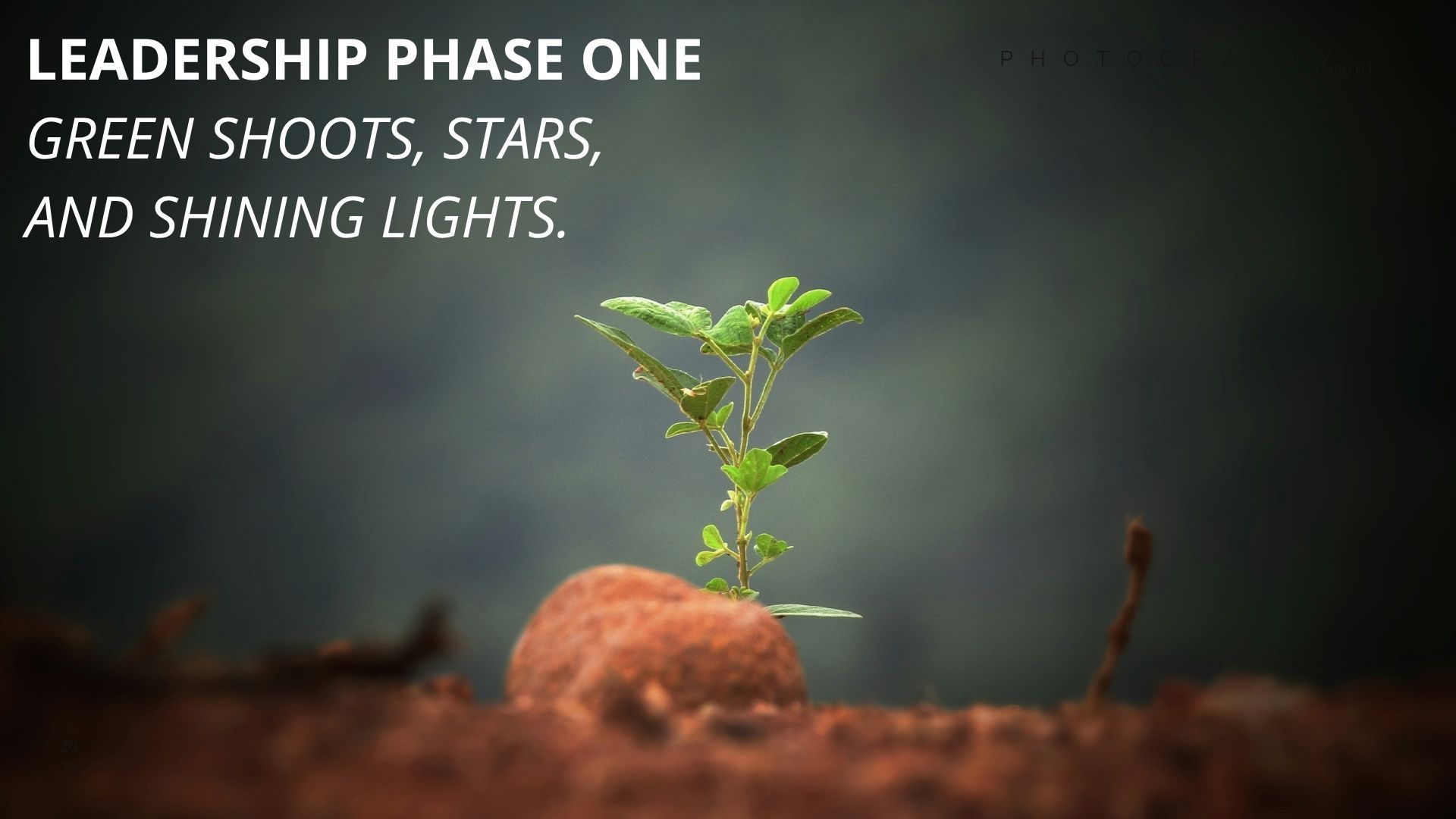
Phase One: A Critical Foundation Before the Ecosystem Overgrows
As emerging leaders begin navigating the ascent to senior roles, my research shows that, generally between the ages of 28 and 38, they enter what I call "Phase One." This is a period characterised by energy, ambition, and the relentless pursuit of recognition. For those in this phase, you likely feel the pull to deliver results, establish your reputation, and demonstrate your capability. What appears as a triumphant ascent, however, can quietly set the stage for vulnerabilities that will be tested in later leadership stages. It's essential to understand that this does not have to be your story. Phase One can be a vital opportunity to lay a strong foundation for future success if you navigate its challenges wisely, preparing you for potential "weeds."
The Phase One Trap: When Foundational Pillars are Neglected
In our early years, we build resilience upon six foundational pillars: sleep, exercise, nutrition, rest/quiet time, environment, and community. These form our "pre-ecosystem," shaping core values like trust, honesty, and connection through close-tied relationships with family, teachers, and peers. Yet, as Phase One leaders, these pillars often become casualties amid the push for achievement. Family needs compete with professional demands; networking events replace rest; and the drive for visibility eclipses the need for quiet reflection. The result? A subtle but dangerous erosion of the foundations that support long-term resilience. We think we are in control, however, we are functioning and fighting for survival.
Lost in the Weeds of Ambition:
Just like the leaders I see in "Phase Two," the risks in Phase One stem from disconnection. This disconnection replaces a balanced approach with the potential of a deeper danger: the loss of self in the relentless pursuit of external validation. A loss of alignment with your non-negotiable values. What follows is ecosystem dissonance, a misalignment that dulls your emotional intelligence, intuition, and "ethical radar" for knowing when to push or pause. You might sacrifice sleep for deadlines, exercise for networking, or quiet reflection for relentless performance reviews. Leaders I have coached describe it as entering unknown territory, where overwork breeds bad habits, micromanagement, or even unhealthy coping mechanisms to silence the inner noise.
The Hidden Cost: Values Turned Inward
One of the most insidious aspects of Phase One is how your greatest strengths can become liabilities. Honesty, once a beacon of transparency, twists into relentless self-pressure to achieve results at any cost. Resilience becomes stubborn overwork, ignoring the need for rest. Humility prevents asking for help, deepening potential isolation. Communication retracts into silent withdrawal from those who could offer support. These are not flaws; they are values inverted by stress and disconnection.
I have witnessed promising early-career leaders succumb to this trap. They are dedicated professionals whose front-end leadership knowledge and core values, without grounding and self-reflection, can turn against them. The human toll is profound: potential loss of self, ethical drift, and, in extreme cases, burnout. But with targeted intervention, these same values can reclaim their role as anchors.
Connection: Your Antidote in the Early Stages
Preventing this potential inversion demands early reconnection, starting with yourself. Mentally, revisit your core values and how early pressures might distort them. Physically, listen to your body's signals: skipped meals, or lack of rest, are signals, not inconveniences; it's a call to action. Spiritually, align with purpose to navigate early adversity without compromise.
This needs to extend to your emerging teams, recognising they have their ecosystems and needs; understand how we can best intersect, and respect others' rhythms rather than imposing your own. Most crucially, build "accountability connections," a trusted inner circle of one to three experienced confidants who offer safety, honesty, and early wisdom. These aren't generic mentors; they're human mirrors who've walked your path, helping pull early potential weeds through candid conversations and guidance.
Why not rely on AI or frameworks alone? Tools like AI can surface patterns and connect concepts to neuroscience, but they lack emotional intelligence, ethical radar, and the visceral understanding of high-stakes decisions. True transformation will always require human intervention: voices that sense when humility becomes silence or honesty turns punitive.
The Path to Clear Air: Embrace the 3P/S Framework Early
Phase One isn't neutral; it either sets you on a path to resilience or vulnerability. Through my 3P/S Lab, I guide leaders back to clarity at all stages. This holistic framework emphasises Purpose (your directional engine), Presence (how you represent yourself in all aspects), Present (being where your feet are) and Situational Specific leadership—bolstered by mental, physical, and spiritual growth. It's not about working harder; it's front-end work: refining your values (your ethical compass), your beliefs (your real-time interpretation of those values), honing resilience for consistency, congruence, and calmness under pressure.
Leaders who have embraced this emerge transformed, reducing potential burnout, expanding wisdom and growth, fostering greater influence, and mastering complexity from the very beginning. Your strongest values aren't enemies; they're your way back, sustained by pillars, ecosystems, and trusted allies.
With decades of experience, I am here to help you cultivate your leadership edge through personalised training and coaching. Whether one-on-one sessions or immersive 3P/S Lab programs, we'll clear the path to clean air.
Reach out via LinkedIn message or visit www.betheleader.org to schedule a confidential call. Your Phase One doesn't have to be a setup for future struggles; it can be your greatest chapter.